
Hericium erinaceus and Cognitive Health in Older Adults: A Review of the Erinacine A-Enriched Mycelia Study in Early-Stage Alzheimer’s Disease
- account_circle TentangSehat.com
- calendar_month 1 menit yang lalu
- visibility 1
- comment 0 komentar
- print Cetak

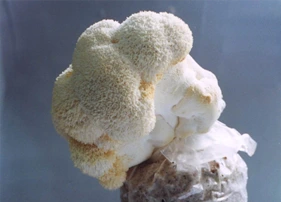
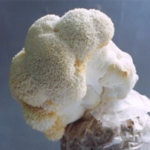
Hericium Erinaceus (Source: Authors)
info Atur ukuran teks artikel ini untuk mendapatkan pengalaman membaca terbaik.
Indonesia is experiencing a demographic shift as its population ages. According to Statistics Indonesia (Badan Pusat Statistik, BPS), people aged 60 and above accounted for approximately 12% of the Indonesian population in 2024. This proportion is expected to continue increasing in the coming decades, creating new challenges for public health, including the need to maintain cognitive function among older adults.
One of these challenges is dementia, a condition characterized by a decline in cognitive abilities that affects daily functioning. In Indonesia, findings from the Free Health Check Program (Cek Kesehatan Gratis, CKG) have raised concerns about cognitive health among older adults. Since the program began in February 2025, approximately one million older adults had participated in screenings, and around 30% of these participants were reported to show signs of cognitive decline. However, these findings reflect the screened population and should not be interpreted as the prevalence of cognitive impairment among all older Indonesians.
The issue is also significant worldwide. The World Health Organization (WHO) estimated that approximately 57 million people were living with dementia globally in 2021, with nearly 10 million new cases occurring each year. Alzheimer’s disease is the most common form of dementia, accounting for an estimated 60–70% of cases.
Dementia is not a normal part of aging. As populations grow older, understanding how to support brain health and cognitive function has become increasingly important. One area receiving scientific attention is the potential role of Hericium erinaceus, commonly known as lion’s mane mushroom, particularly its bioactive compounds that may have applications in research on Alzheimer’s disease.
Erinacine A: The Key Compound Behind Its Neuroprotective Potential
Hericium erinaceus, better known as lion’s mane, contains an active compound called erinacine, a class of diterpenoid compounds specifically studied for its ability to stimulate the biosynthesis of Nerve Growth Factor (NGF), a protein that plays a critical role in the growth and maintenance of nerve cells. Because Alzheimer’s disease and other neurodegenerative disorders are closely linked to nerve cell damage and death, this NGF-stimulating capability makes erinacine an attractive compound for further research in the context of brain health.
Industrial-scale production of erinacine is carried out through mycelium fermentation, the root-like vegetative tissue of the fungus, rather than through the fruiting body, the more commonly consumed part of the mushroom. This fermented-mycelium approach allows for higher and more consistent erinacine concentrations, as well as large-scale production that would be difficult to achieve by relying on natural mushroom growth alone.
Grape King Bio and the Development of Mushroom Mycelia

The EAHE study reviewed in this article is the result of a research collaboration directly involving the Biotech Research Institute of Grape King Bio Ltd., together with several academic institutions in Taiwan, including Chung Shan Medical University and National Taiwan University. Such collaboration reflects Grape King’s long-term investment in health biotechnology research.
Grape King Bio is a Taiwan-based biotechnology company headquartered in Taoyuan, with roots dating back to 1969. Since the early 1990s, the company has focused on researching traditional Chinese medicinal mushrooms and developing mycelium fermentation technology. In 1999, Grape King became the world’s first producer to mass-produce Antrodia cinnamomea mycelium, and in 2015 it again set an international milestone as the first company to mass-produce Erinacine A, a compound derived from Hericium erinaceus (lion’s mane mushroom).
To support this research, Grape King built a second fermentation facility in Longtan, Taoyuan, completed in 2018, bringing its total fermentation capacity to 506 tons, the largest in Taiwan for this industry. The company also established the Grape King Biotech Research Institute, a NT$1.6 billion investment supporting a team of over 150 PhD researchers, nutritionists, and food technologists. Its laboratory holds TAF (Taiwan Accreditation Foundation) certification, and the Longtan facility was the first in Taiwan’s biotech sector to receive three eco-friendly factory certifications simultaneously.
Summary of the Study: Erinacine A-Enriched Mycelia in Mild Alzheimer’s Disease
One important study investigating EAHE was published in Frontiers in Aging Neuroscience in 2020. It was a pilot study using a randomized, double-blind, placebo-controlled design involving patients with mild Alzheimer’s disease.
The study began with a three-week screening period without medication, followed by a 49-week intervention period. Participants were randomly assigned to receive either EAHE or a placebo. Those in the EAHE group took three capsules daily, with each capsule containing 350 mg of EAHE mycelium standardized to 5 mg of Erinacine A per gram.
Initially, 68 participants were recruited. After screening and withdrawals, 49 participants entered the randomization stage, and 41 completed the study. The final analysis included 20 participants in the EAHE group and 21 in the placebo group.
The researchers evaluated several outcomes, including cognitive function measured using the Cognitive Abilities Screening Instrument (CASI) and the Mini-Mental State Examination (MMSE). They also assessed instrumental activities of daily living (IADL), which reflect a person’s ability to perform everyday tasks independently. Visual contrast sensitivity, blood biomarkers, and brain imaging were also examined.
After 49 weeks, the EAHE group showed an increase in MMSE scores compared with its baseline. Meanwhile, the placebo group showed a decline in CASI scores at one of the assessment points. The researchers also reported a difference in IADL scores between the EAHE and placebo groups at week 49. In addition, the EAHE group showed better contrast sensitivity than the placebo group at the end of the study.
Despite these findings, the results require careful interpretation. For CASI and MMSE, the researchers did not find an overall statistically significant difference between the EAHE and placebo groups. Therefore, the increase in MMSE scores observed within the EAHE group cannot, by itself, establish that EAHE was significantly more effective than the placebo across these cognitive measures.
This distinction is important when interpreting clinical research. A change within one group does not necessarily demonstrate that an intervention is more effective than a placebo. The study’s findings provide preliminary evidence of potential benefits, but they are not sufficient to establish EAHE as an effective treatment for Alzheimer’s disease.
Personal Experience
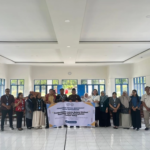
As part of a research internship program, I had the opportunity to join Grape King Bio from July 1 to August 31, 2026, at its Biotech Research Institute in Longtan, Taoyuan, Taiwan.
During the internship, I gained hands-on experience with basic biotechnology techniques related to fungal mycelium cultivation. I also had opportunities to observe processes associated with Hericium erinaceus production, including aseptic culture preparation, microbiological analysis, monitoring fermentation parameters, and testing raw materials before further product development.
These experiences helped me understand that developing a functional ingredient involves much more than identifying a potentially useful compound. The process includes cultivation, fermentation, quality control, ingredient analysis, and formulation development. Each stage contributes to ensuring that the resulting material has consistent characteristics before it is used in further research or product development.
Through laboratory activities and facility visits with my mentors, I also gained a clearer understanding of the relationship between scientific research and industrial production. The experience showed me that translating research findings into practical applications requires multiple stages, from basic research to ingredient development and product evaluation.
For me, this internship provided a new perspective on how biotechnology and food science can work together. Research on H. erinaceus is not only about studying bioactive compounds, but also about understanding how fermentation technology can produce materials for further investigation in the context of human health.
Understanding the Potential Through Scientific Evidence
Research on EAHE illustrates how mushroom-derived ingredients can be investigated using scientific methods. Erinacine A has attracted attention because of its proposed biological mechanisms and preclinical findings suggesting potential neuroprotective activity. However, human clinical evidence remains limited, and the available clinical study is not sufficient to establish its effectiveness against Alzheimer’s disease.
As the global population ages, research into functional foods and ingredients that may support cognitive health remains an important area of investigation. Nevertheless, their potential must be evaluated in light of the available evidence.
For the food and biotechnology industries, this field highlights the importance of connecting scientific research with fermentation technology, quality control, and clinical evaluation. For consumers, it is equally important to distinguish between preliminary research findings, potential benefits, and health claims that have been established through sufficient evidence.
Ultimately, Hericium erinaceus and Erinacine A represent an interesting intersection of food science, biotechnology, and neurological research. Further, larger-scale clinical studies are needed to determine whether the potential observed in early research can translate into meaningful benefits for people living with Alzheimer’s disease.
Note: This article is based on scientific literature, publicly available company information, and the author’s experience during a research internship at Grape King Bio. Findings on EAHE are discussed with reference to the primary clinical study, while information about the company and its facilities is attributed to official company sources.
Authors:
- Angela Olivia Wibowo¹
- Emi Kuo²
- Chin-Chu Chen²
¹National Taiwan University (NTU), Taipei Taiwan; ²Grape King Bio Ltd., Taoyuan, Taiwan
Editor: Salwa Alifah Yusrina
Bahasa: Rahmat Al Kafi
Reference
- Li, I.-C., Chang, H.-H., Lin, C.-H., Chen, W.-P., Lu, T.-H., Lee, L.-Y., Chen, Y.-W., Chen, Y.-P., Chen, C.-C., & Lin, D. P.-C. (2020). Prevention of Early Alzheimer’s Disease by Erinacine A-Enriched Hericium erinaceus Mycelia Pilot Double-Blind Placebo-Controlled Study. Frontiers in Aging Neuroscience, 12, 155. https://doi.org/10.3389/fnagi.2020.00155
- Statistics Indonesia (Badan Pusat Statistik). (2024). Statistik Penduduk Lanjut Usia 2024 [Statistics on Older Persons in Indonesia 2024].
- World Health Organization. (2026). Dementia. https://www.who.int/news-room/fact-sheets/detail/dementia
- ANTARA News. (2025). Kemenkes: Populasi lansia bisa dijadikan bonus demografi kedua [Ministry of Health: The older population could become a second demographic dividend]. https://www.antaranews.com/berita/4999129/kemenkes-populasi-lansia-bisa-dijadikan-bonus-demografi-kedua
- Grape King Bio. Official company information on biotechnology research, fermentation capacity, and Erinacine A development. https://www.grapeking.com.tw/en/rd/6268a90145bcd
- Grape King Bio. Official information on research and development related to Erinacine A-enriched Hericium erinaceus mycelia. https://www.grapeking.com.tw/csr/62592a0d5e091/62592b82e80d9
- Penulis: TentangSehat.com

















Saat ini belum ada komentar